Online CBT · For Young People (16+)
Online CBT for young people
Structured, practical CBT for young people aged 16 and over — anxiety, exam stress, low mood, OCD, and perfectionism. Online across the UK, in sessions that fit around school, college, or work.
Book a free 15-minute consultationTherapy that fits around the rest of your life
Online CBT
Secure 50 minute video call from your own room, anywhere in the UK.
Time-limited
Usually 8–16 sessions, often timed around the school year.
Measurable change
We track how things are going with a short check-in each week.
£80 / session
Single session or save £50 with block booking.
Cognitive Behavioural Therapy · For Young People
What I see most in young people
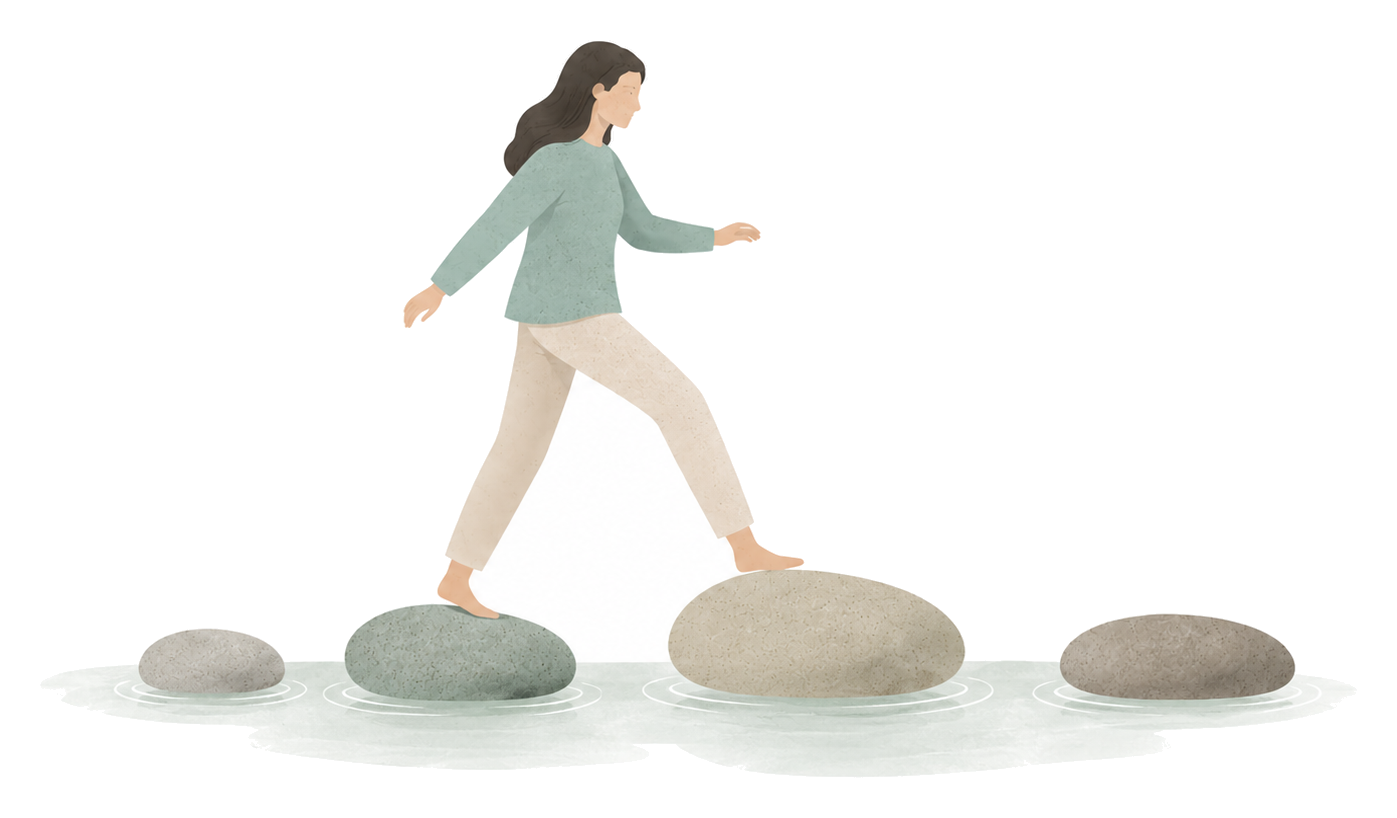
Anxiety and intrusive thoughts
Worry that has built up over months. Panic, social anxiety, OCD-style intrusive thoughts that have stopped easing.
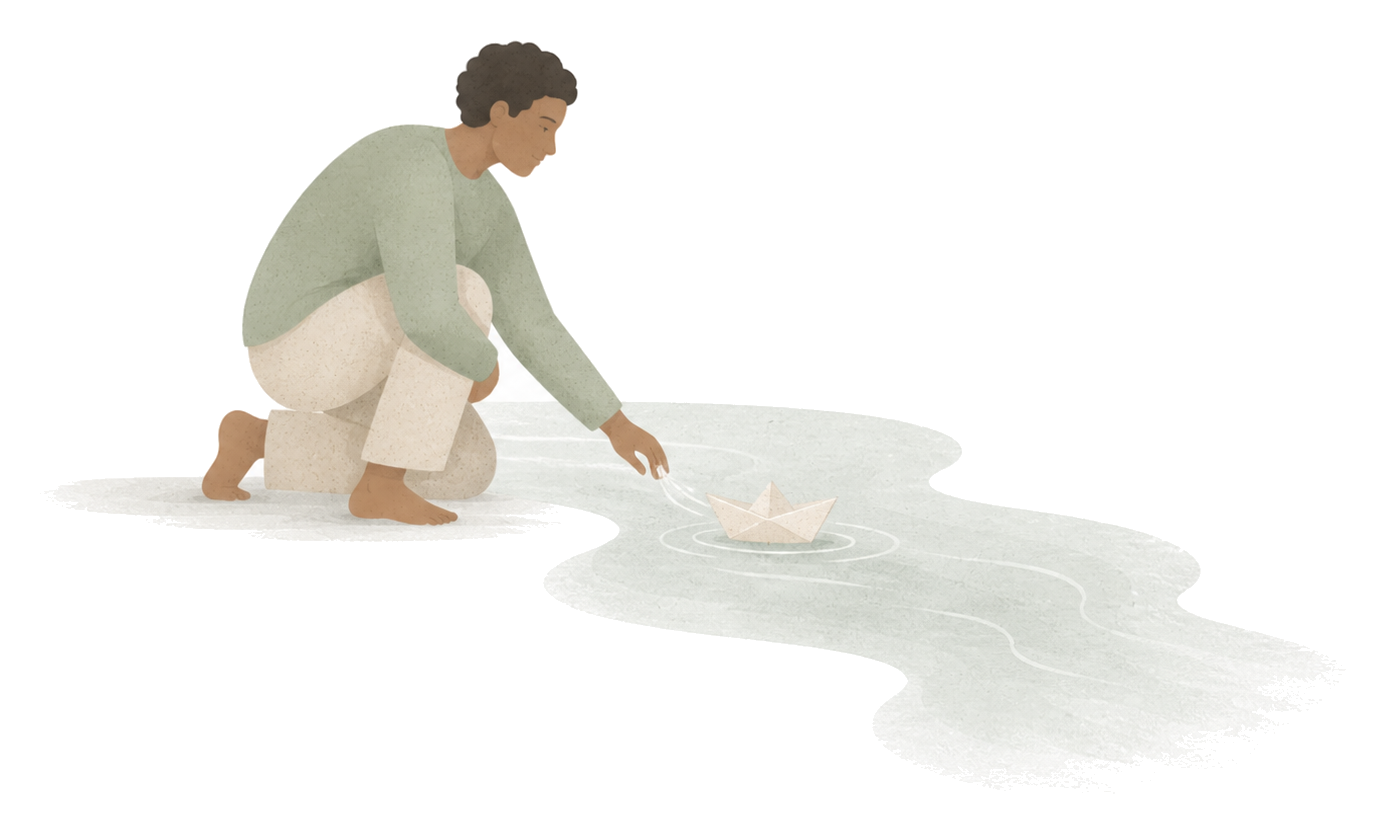
Exam stress and pressure
Pressure that has stopped being seasonal. Perfectionism. The cost of always running at full performance.
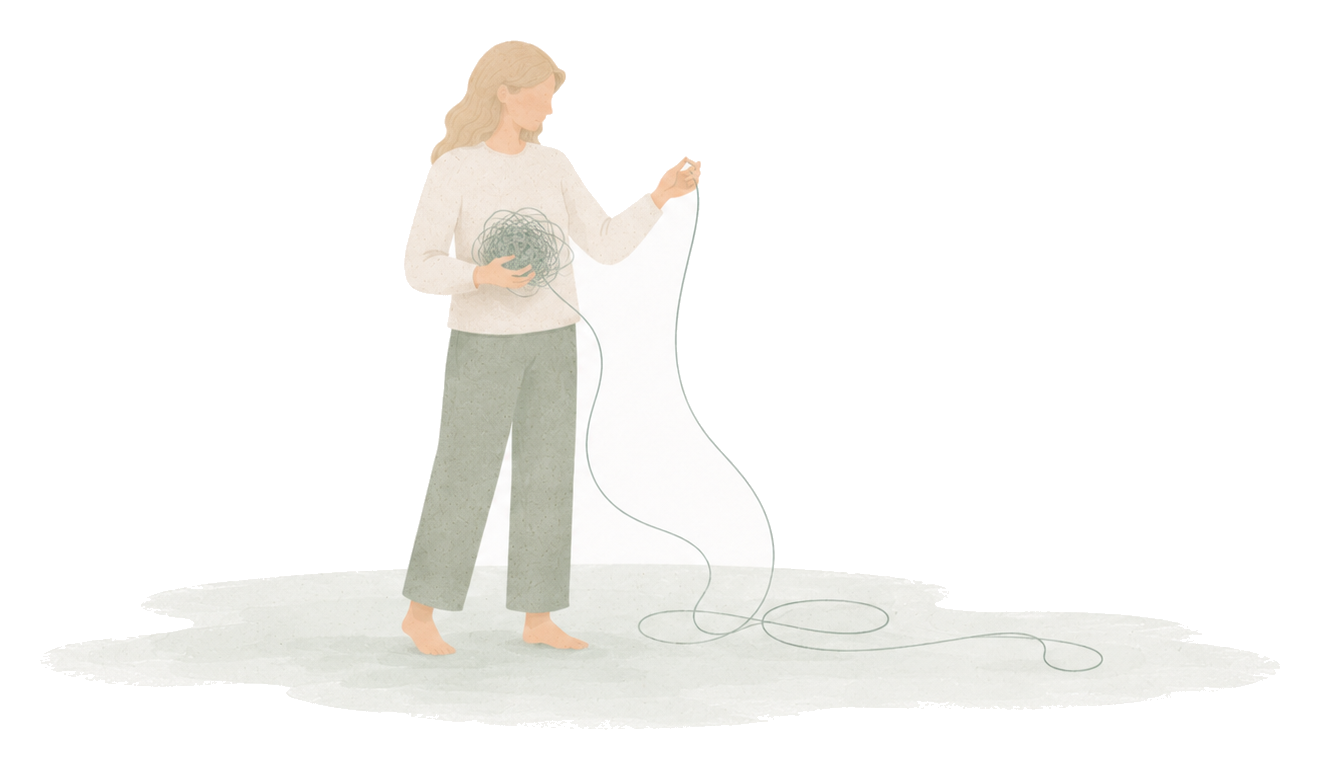
Low mood and the inner critic
Low mood tied to comparison, isolation, or the end of one structured phase of life. The inner voice that won’t quieten.
How it works for you
Starting therapy at 16–18
At 16 you can consent to therapy yourself. You don’t need a parent’s permission to book, and you don’t need a referral from your GP or school. A parent can sit in on the first call or cover the payment if that’s easier, but the sessions are yours.
What you tell me stays between us. The only exception is if there’s a serious risk to your safety — and even then, I’ll talk to you first before anyone else is involved. Nothing gets back to your school, and nothing gets back to your parents without you knowing.
We work around the things that actually shape your year: exam terms, results day, the move to university or out of home. Sessions are 50 minutes over video, so there’s no clinic to get to between classes — just somewhere private and a half hour you can count on.
One honest note: online isn’t automatically the right format for every young person. It suits many — it’s flexible, familiar, and removes the barrier of getting to a clinic — but the research on online CBT for teenagers is genuinely mixed, and some do better in person or with a blend of both. That’s exactly what the free consultation is for: a straight conversation about whether this is the right fit, and an honest steer towards in-person support if it isn’t.

About Jack
I’m a CBT therapist and researcher based in Edinburgh, with an MSc in Psychological Therapies (with distinction) from the University of Edinburgh. My specialist training is in adapting CBT for children and young people, so the work is built for your age group rather than borrowed from adult therapy.
I understand how much pressure young people are under, and how rarely the language of mental health catches up with what they’re actually experiencing. I’m currently developing a pilot workshop for parents of children with anxiety, alongside clinical work with young people and adults across the UK.
The 16–18 stretch is one I particularly like working in — it’s a point where the right skills can shift the whole trajectory. Therapy with me is collaborative and transparent: something we do together, never something done to you.
- MSc Psychological Therapies, University of Edinburgh
- Specialism in CBT for children and young people
- Active research involvement at UoE
- Working under accredited clinical supervision
- Working towards BABCP accreditation
From the resources
Read more
Common questions
Does CBT work for teenagers?
Yes. CBT is the treatment NICE recommends first for anxiety and low mood in young people, and it adapts well to this age group — more concrete, collaborative and practical than adult therapy. As with adults, it works best when someone feels ready to try things out between sessions.
Is online therapy suitable for young people?
For many young people, yes — it’s flexible and familiar. But online isn’t automatically right for everyone; the research on online CBT for teenagers is genuinely mixed, and some do better in person or with a blend. The free consultation is exactly where we work out the right fit, and I’ll say honestly if in-person would suit better.
Should parents be involved in their child’s CBT?
It depends on the young person and what they want. At 16 and over the sessions are theirs and confidential, but a parent can join the first call or help with practical things like booking and payment. We agree what works at the start.
At what age can a young person have CBT with you?
I work with young people aged 16 and over. At 16 you can consent to therapy yourself — you don’t need a parent’s permission or a GP referral to book.
How do I get CBT for my teenager in the UK?
You can book privately without a referral, or ask your GP about NHS options (free, but often with waiting lists). The easiest first step with me is a free 15-minute consultation to see whether it’s the right fit.
Ready to take the first step?
Sessions are £80 and last 50 minutes. The first 15-minute consultation is free, and can be booked by the young person or a parent.
Currently offering online sessions across the UK. Edinburgh in-person sessions coming soon.