Online CBT · For Anxiety
Online Therapy for minds stuck in worry
Structured CBT for anxiety, panic, phobias, health anxiety, and the high-functioning version. Online across the UK.
-
Highly Qualified2yr MSc Psychological Therapies (CBT)
-
Active ResearcherNHS Low Mood services and Parent Anxiety Interventions
-
Evidence Based PractiseAdults and Specialisation for Young People
-
SupervisionWorking towards BABCP accreditation
Anxiety responds to a structured approach
Online CBT
Secure 50 minute video call. No anxious commute to a waiting room.
Time-limited
Anxiety work typically 8–16 sessions. Planned ending.
Measurable change
Your anxiety tracked on a short weekly measure, not a guess.
£80 / session
Single session or save £50 with block booking.
Cognitive Behavioural Therapy · For Anxiety
Anxiety I see most often
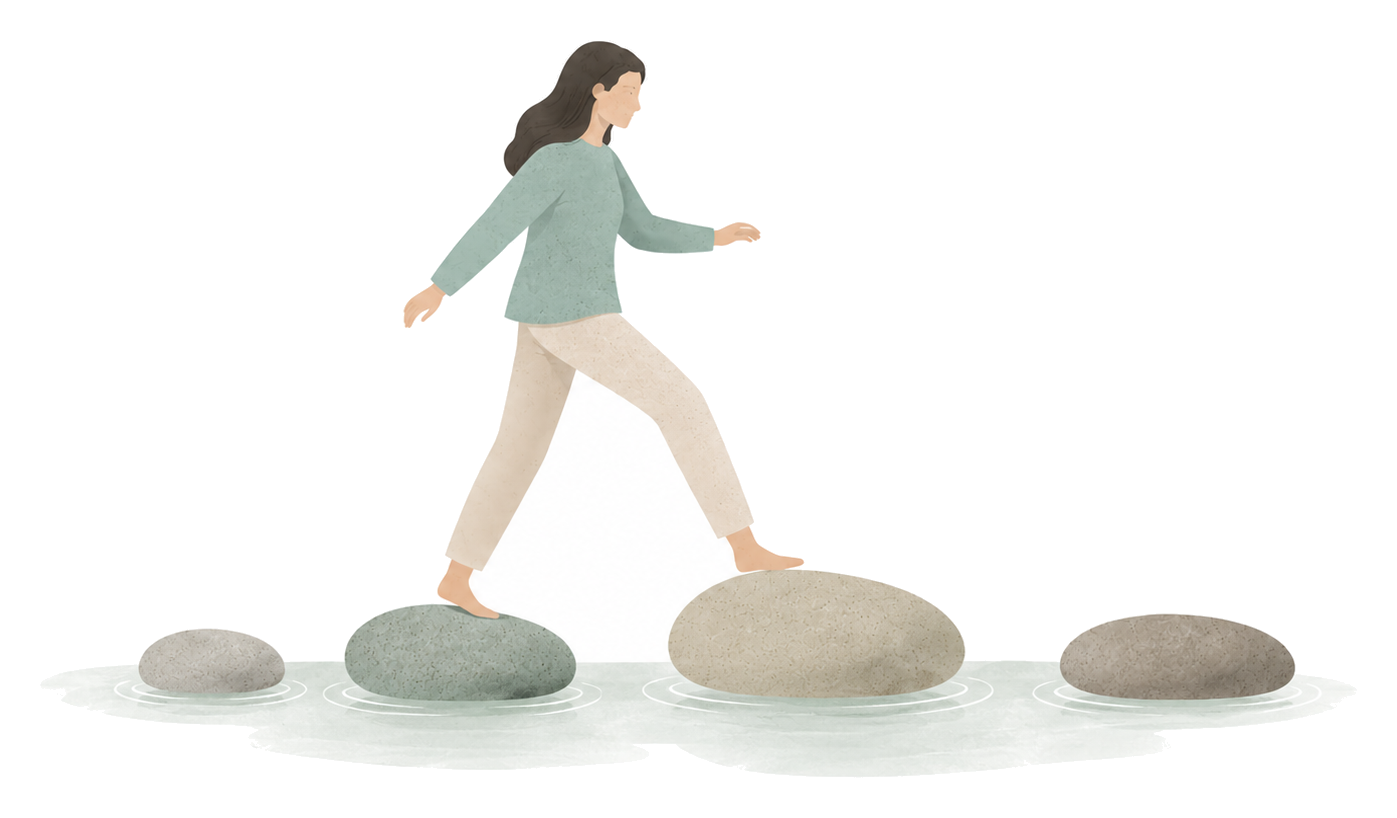
Generalised Anxiety
Worry that follows you around, overthinking, health anxiety, and the version that quietly lives in the body.
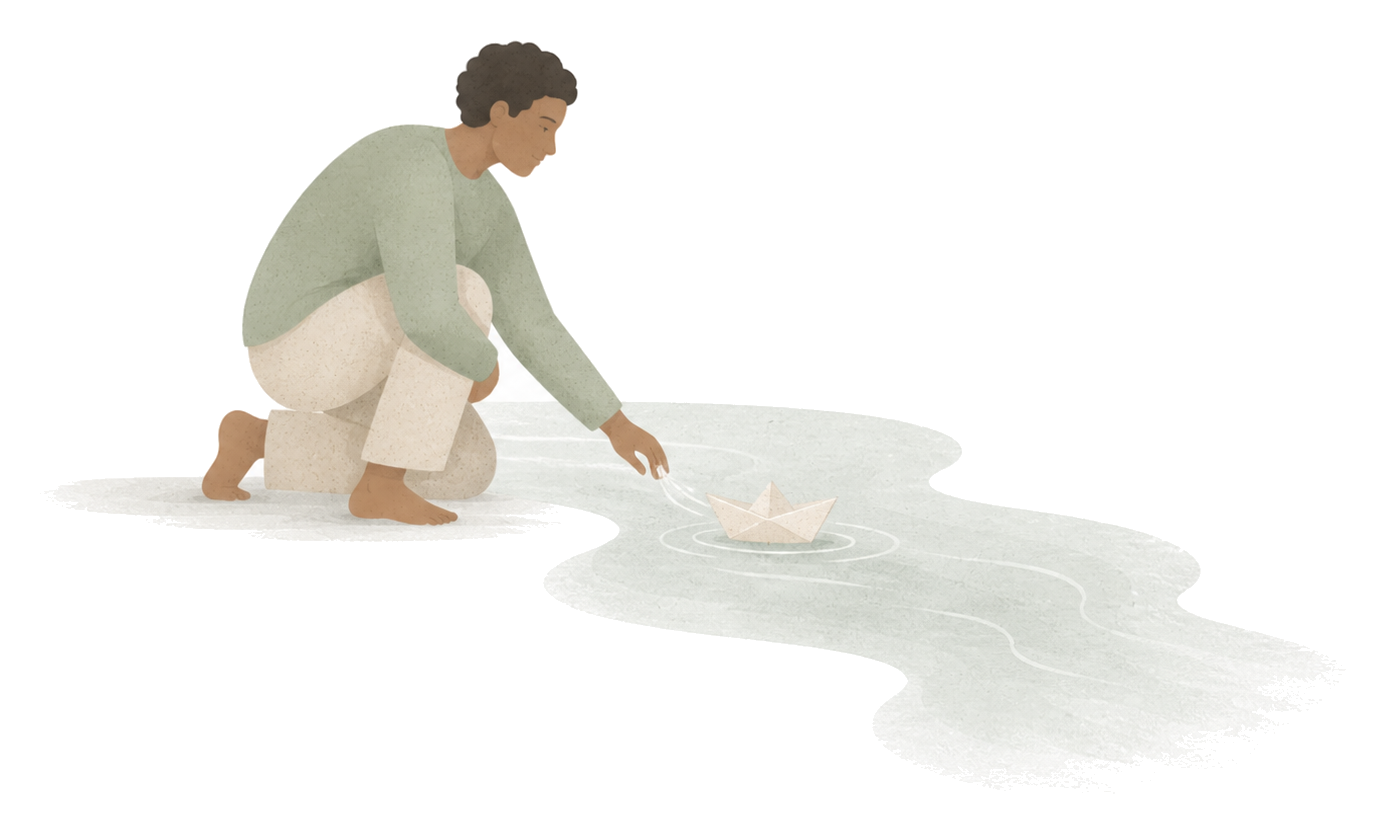
Panic, phobias, and the body
Panic attacks, specific phobias, and social anxiety, all of which fire the body's alarm out of all proportion.
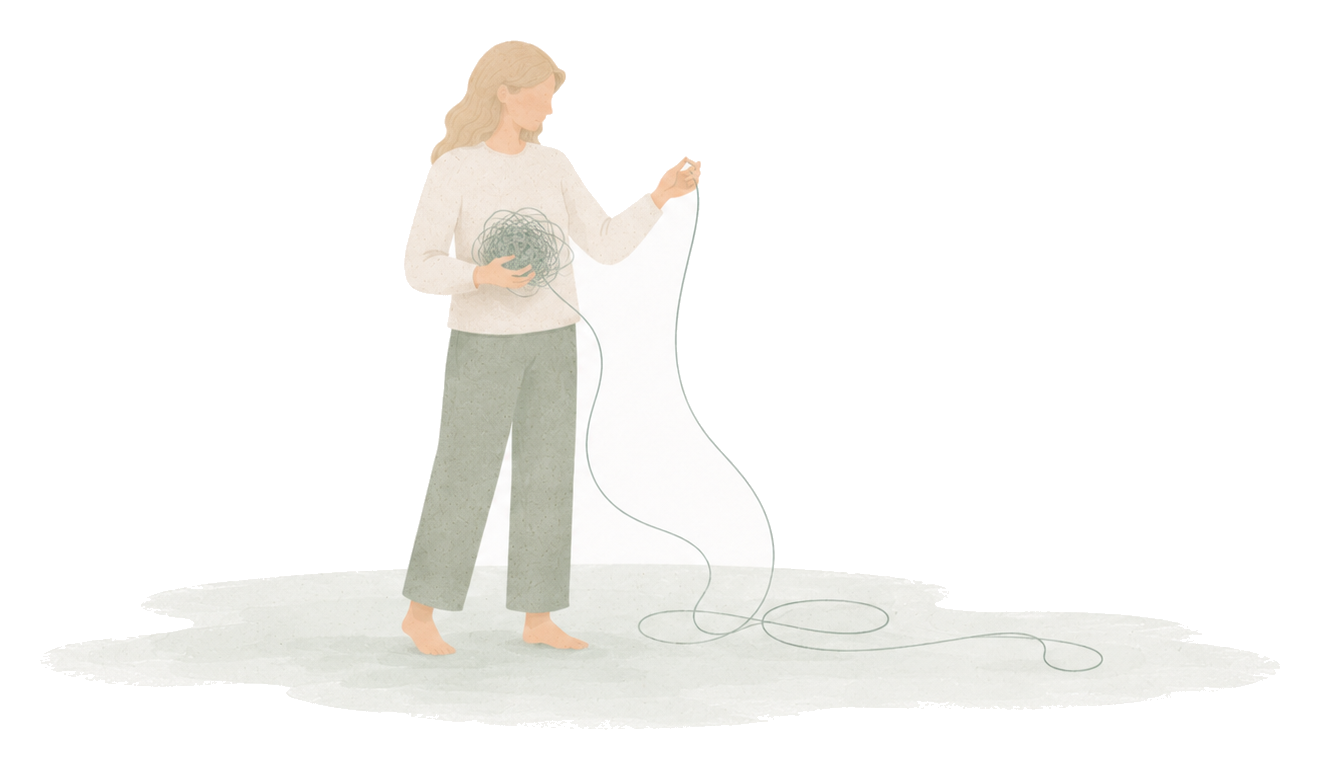
Quiet high-functioning
The version no one else can see. Calm outside, a worry engine running underneath, often with perfectionism.
The actual work
What anxiety-focused CBT involves
Anxiety keeps itself alive through avoidance and safety behaviours — the small things you do to feel safe that quietly teach your brain the danger was real. Seeking reassurance, checking, planning escape routes, rehearsing a conversation forty times before you have it. CBT goes after that loop directly rather than talking around it.
Early on we map your specific worry cycle on paper, then start testing it. Graded exposure, behavioural experiments, and worry-postponement do most of the heavy lifting — concrete tasks you try between sessions, not open-ended analysis of your childhood. You find out, from your own experience, that the feared outcome either doesn’t arrive or doesn’t flatten you when it does.
You leave with a written formulation of how your anxiety works and a short set of techniques you can run on your own. The point isn’t to keep needing me; it’s to become the person who can handle the next spike without booking a session.
About Jack
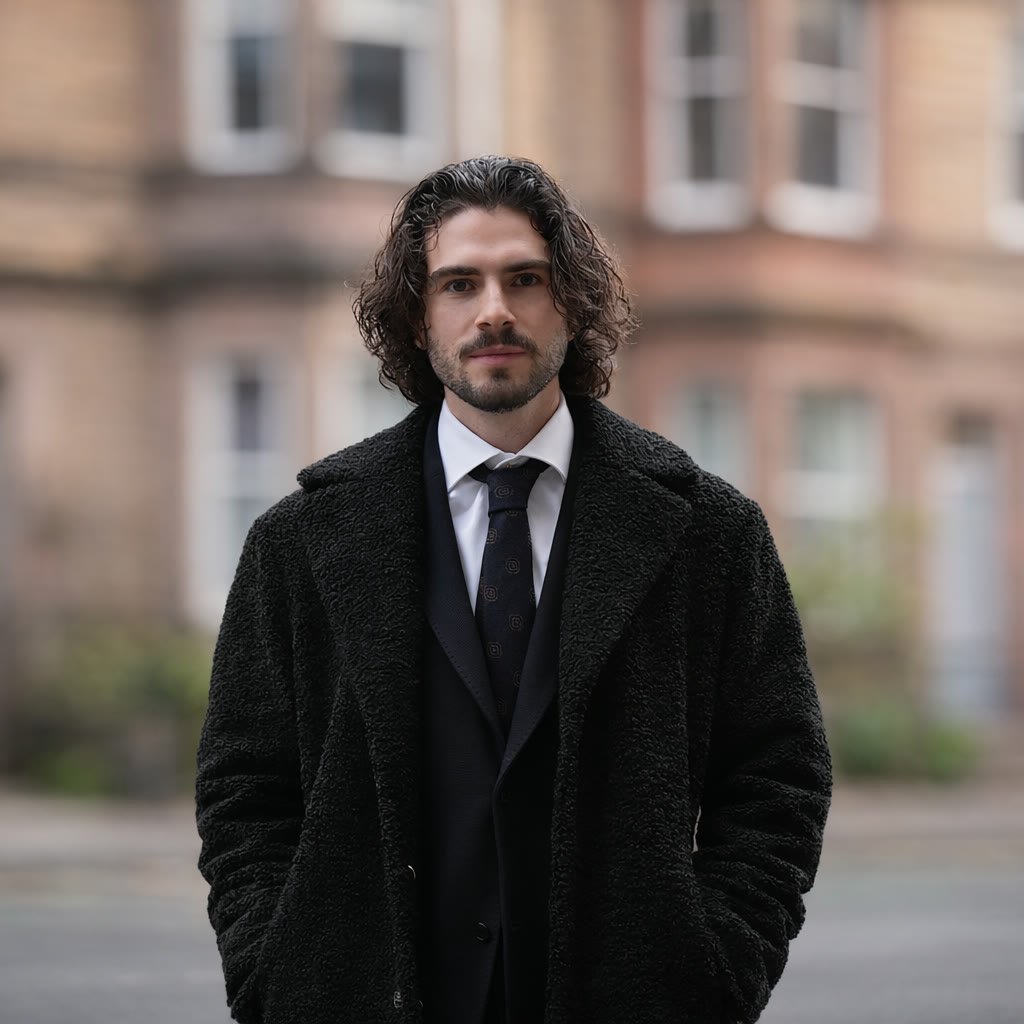
I’m a CBT therapist and researcher based in Edinburgh. My MSc in Psychological Therapies (with distinction) is from the University of Edinburgh, where my research keeps me close to what the evidence on anxiety actually shows rather than what sounds reassuring.
I understand how relentless anxiety can be, and how often it is invisible to everyone except the person living with it. I’m currently developing a pilot workshop for parents of children with anxiety, alongside clinical work with adults and young people across the UK.
I work with people of all ages, and I think therapy should be collaborative and transparent — the aim is that you leave understanding your own anxiety well enough to handle it without me.
- MSc Psychological Therapies, University of Edinburgh
- Active research involvement at UoE
- Experience with young people and adults
- Working under accredited clinical supervision
- Working towards BABCP accreditation
From the resources
Read more on anxiety
Common questions
Does online CBT work for anxiety?
Yes. Online CBT can help with anxiety just as well as meeting in a room, and many people find it feels just as personal over a secure video call. We do the same structured work — mapping your worry cycle, then testing it with concrete tasks between sessions — without the anxious commute to a waiting room. I track your anxiety on a short weekly measure so we can see what is actually changing rather than guessing.
How does CBT reduce anxiety?
Anxiety keeps itself alive through avoidance and safety behaviours — the small things you do to feel safe that quietly teach your brain the danger was real. CBT goes after that loop directly: early on we map your specific worry cycle on paper, then start testing it with graded exposure, behavioural experiments and worry-postponement. From your own experience you find that the feared outcome either doesn’t arrive or doesn’t flatten you when it does.
How many CBT sessions do I need for anxiety?
Anxiety work is typically 8 to 16 sessions, with a planned ending in mind from the start. The exact number depends on what you are working on and how the between-session tasks go, and we review progress on a short weekly measure as we go. The aim isn’t for you to keep needing me — it’s to leave with a written formulation and a set of techniques you can run on your own.
Is CBT or medication better for anxiety?
There isn’t a single right answer, and the two aren’t mutually exclusive — some people do well with CBT alone, some with medication, and some with both together. CBT focuses on the avoidance and safety behaviours that keep anxiety going, and gives you skills you can keep using afterwards. Medication is a decision for your GP or prescriber, so if you’re weighing it up it’s worth talking it through with them; I’m happy to work alongside whatever you and your doctor decide.
Can I do CBT for anxiety from home?
Yes — sessions are delivered online across the UK over a secure 50-minute video call, so you can do the work from home with no commute. It’s the same structured CBT, with concrete tasks you try between sessions rather than open-ended conversation. You can start with a free 15-minute consultation to see whether it feels like the right fit before booking.
Ready to take the first step?
Sessions are £80 and last 50 minutes. The first 15-minute consultation is free.
Currently offering online sessions across the UK. Edinburgh in-person sessions coming soon.